
Molluscicidal Efficacy of Phyllanthus emblica, Catharanthus roseus and Pithecellobium dulce Extracts against Lymnaea acuminata, the Intermediate Host of Fascioliasis
-
Akanksha Srivastava
Malacology Laboratory, Department of Zoology, Deen Dayal Upadhyaya Gorakhpur University, Uttar Pradesh, India
Vinay Kumar Singh

Malacology Laboratory, Department of Zoology, Deen Dayal Upadhyaya Gorakhpur University, Uttar Pradesh, India
| Received 08 Sep, 2026 |
Accepted 23 Nov, 2026 |
Published 31 Dec, 2026 |
Background and Objective: The freshwater snail Lymnaea acuminata is the obligate intermediate host of Fasciola species, which cause fascioliasis in livestock and humans. Although synthetic molluscicides are effective, they may pose environmental risks and harm non-target organisms. This study evaluated and compared the molluscicidal activity of different preparations of Phyllanthus emblica, Catharanthus roseus and Pithecellobium dulce against adult L. acuminata under laboratory conditions. Materials and Methods:Six preparations, including crude, ethanol, methanol, hexane and chloroform extracts, as well as column-purified fractions, were evaluated for their molluscicidal activity against adult L. acuminata. Mortality was assessed at different concentrations and exposure periods and LC50 values were determined. Results: All extracts exhibited concentration and time-dependent mortality. The column purified fractions of all three plants were the most potent, with 96 hrs LC50 values of 10.10 mg/L for P. emblica, 9.99 mg/L for C. roseus and 10.42 mg/L for P. dulce, respectively. Chloroform extracts showed moderate activity with 96 hrs LC50 values of 101.55, 99.88 and 109.41 mg/L, respectively. Crude and solvent extracts generally showed lower molluscicidal activity than the column-purified fractions, although their LC50 values varied considerably among plant species and preparations. The high potency of the column-purified fractions indicates the need for further phytochemical characterization and compound identification to determine the constituents responsible for the observed molluscicidal activity. Conclusion: These findings indicate that appropriate solvent selection followed by chromatographic purification can dramatically enhance molluscicidal efficacy, providing a basis for the development of standardized plant-based snail control agents for integrated fascioliasis management.
| Copyright © 2026 Srivastava and Singh. This is an open-access article distributed under the Creative Commons Attribution License, which permits unrestricted use, distribution, and reproduction in any medium, provided the original work is properly cited. |
INTRODUCTION
Fascioliasis, a significant food-borne zoonotic disease, is caused by parasitic flukes specifically Fasciola hepatica and Fasciola gigantica. This disease affects millions of people and livestock worldwide, it is recognized as a major neglected tropical disease (NTD) and remains one of the most critical snail-borne parasitic infections in tropical and subtropical regions1,2. Fascioliasis control is also aligned with SDGs 3.3, which targets the elimination of neglected tropical diseases. Both humans and animals acquire the disease by ingesting metacercariae found on aquatic vegetation or in contaminated water. For livestock, fascioliasis leads to substantial economic losses, impacting growth, reducing milk and meat production, impairing reproduction, causing liver condemnation and increasing veterinary expenses. These losses amount to billions of dollars annually across the globe1,3. Fascioliasis transmission heavily relies on freshwater snails from the Lymnaeidae family, which serve as essential intermediate hosts. Inside these snails, miracidia develop through several stages before emerging as cercariae, eventually forming infective metacercariae4. This means the number, distribution and ecology of lymnaeid snails directly influence how prevalent and persistent fascioliasis is in endemic areas3. In the Indian subcontinent, Lymnaea acuminata is a primary intermediate host for F. gigantica, playing a key role in maintaining disease transmission in freshwater environments5. Controlling snail populations has long been considered a highly effective way to break the Fasciola life cycle and reduce disease transmission. Synthetic molluscicides are associated with environmental contamination, toxicity to non-target aquatic organisms, high operational costs and ecological disruption6,7. Growing environmental concerns about synthetic molluscicides have increased interest in plant-derived alternatives for snail control8. However, their efficacy and environmental safety need to be evaluated before practical application. Therefore, the present study aimed to compare the molluscicidal efficacy of crude extracts, solvent-specific extracts and column-purified fractions of Phyllanthus emblica (Indian gooseberry), Catharanthus roseus (Madagascar periwinkle) and Pithecellobium dulce (Manila tamarind) against Lymnaea acuminata under identical laboratory conditions.
MATERIALS AND METHODS
Study area and duration: The present study was carried out in the Malacology Laboratory, Department of Zoology, Deen Dayal Upadhyaya Gorakhpur University, Gorakhpur, Uttar Pradesh, India, during the period from January to March 2026. All experimental work, including specimen maintenance, treatment, observations and data collection, was conducted under laboratory conditions during the study period.
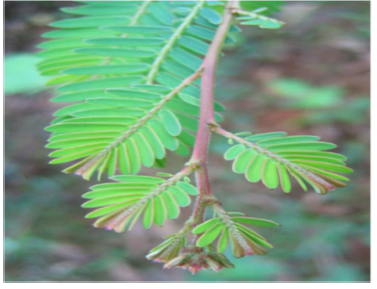
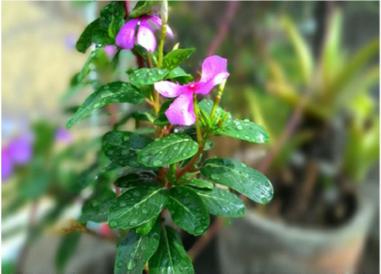
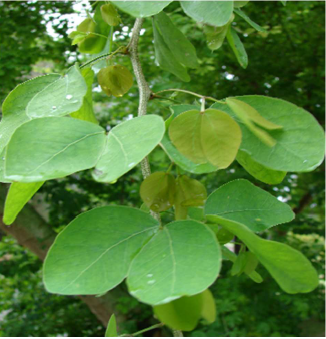
Plant material collection: Fresh leaves of Phyllanthus emblica, Catharanthus roseus and Pithecellobium dulce were collected from the Botanical Garden of Deen Dayal Upadhyaya Gorakhpur University, Gorakhpur region of Uttar Pradesh, India (26.75°N, 83.38°E), during January-March 2026 at the time of experiment. The plants were authenticated at the Department of Botany. Representative photographs of the three plant species are presented in Fig. 1-3.
Preparation of aqueous extracts: The leaves were thoroughly washed with tap water to remove adhering dust and other surface contaminants and shade-dried for 2 hrs. After shade-drying, 100 mg of leaves from each plant species was separately ground with 100 mL of water using a mixer grinder to obtain a fine paste. The resulting preparations were filtered through Whatman No. 1 filter paper to obtain the crude aqueous filtrates. The homogenized material was subsequently transferred into a clean glass bottle. These filtrates were used immediately for toxicity experiment.
Organic-solvent preparations: The filtered aqueous plant preparation was used for preparing individual solvent-containing treatments. Briefly, 1 mL of the corresponding aqueous preparation was mixed separately with 4 mL of each organic solvent (ethanol, methanol, n-hexane and chloroform) to obtain a final volume of 5 mL for each preparation. The mixtures were handled separately and maintained for 24 hrs before being used in the toxicity experiments. The resulting preparations were used to obtain the required nominal test concentrations through appropriate dilution. The final concentrations were calculated based on the initial concentration of the aqueous preparation and the total volume of the resulting mixture.
|
|
|
Column chromatography: Selected preparations were subjected to column chromatography using silica gel (60-200 mesh) as the stationary phase. Ethanol was used as the elution solvent, following the general chromatographic approach described in previous work from our Malacology Laboratory Upadhyay et al.9 with modifications for the present plant materials.
The eluate was collected in successive fractions of 5 mL. Each fraction was evaluated separately in a pilot experiment against Lymnaea acuminata. Fractions showing the highest activity were selected for subsequent toxicity experiments based on the observed mortality and concentration-response data.
Snail collection and acclimatization: Adult Lymnaea acuminata (2.7±0.3 cm in length) were collected from freshwater ponds and slow-moving streams around Gorakhpur. Snails were acclimatized for 72 hrs in glass aquaria containing dechlorinated tap water (temperature 25±2°C, pH 7.2±0.2, dissolved oxygen 6.5±0.5 mg/L). Fresh lettuce leaves were supplied in excess, allowing free feeding. Only healthy, actively moving snails exhibiting normal attachment to the glass surface were selected for the bioassays.
Acute toxicity bioassay: Toxicity bioassays were performed following the method described by Singh and Agarwal10. Groups of 10 adult Lymnaea acuminata were maintained in glass aquaria containing 3 L of dechlorinated tap water and exposed to different concentrations of the plant preparations for up to 96 hrs. The test concentrations used for each plant preparation are presented in Table 1 and were selected on the basis of preliminary toxicity experiments. Each concentration was tested in six replicates. A water-only control containing dechlorinated tap water was maintained under the experimental conditions. No mortality was recorded in the control group at any observation interval. Mortality was recorded at 24, 48, 72, and 96 hrs of exposure.
| Table 1: | Concentrations of different preparations of Phyllanthus emblica, Catharanthus roseus and Pithecellobium dulce used for toxicity determination against Lymnaea acuminata | |||
| Plant extract | Preparation | Concentration (mg/L) |
| Phyllanthus emblica | Crude aqueous extract | 300, 500, 700, 900 |
| Ethanolic extract | 300, 500, 700, 900 | |
| Methanolic extract | 300, 500, 700, 900 | |
| Chloroform extract | 70, 90, 120, 150 | |
| n-Hexane extract | 300, 500, 700, 900 | |
| Column purified fraction | 7, 9, 12, 15 | |
| Catharanthus roseus | Crude aqueous extract | 150, 350, 550, 750 |
| Ethanolic extract | 180, 200, 300, 400 | |
| Methanolic extract | 100, 200, 300, 400 | |
| Chloroform extract | 70, 90, 120, 150 | |
| n-Hexane extract | 90, 150, 250, 350 | |
| Column purified fraction | 7, 9, 12, 15 | |
| Pithecellobium dulce | Crude aqueous extract | 300, 500, 700, 900 |
| Ethanolic extract | 300, 500, 700, 900 | |
| Methanolic extract | 300, 500, 700, 900 | |
| Chloroform extract | 70, 90, 120, 150 | |
| n-Hexane extract | 100, 300, 500, 700 | |
| Column purified fraction | 7, 9, 12, 15 |
Statistical analysis: The LC50 values with 95% confidence limits were calculated by probit analysis11. Slope values±standard error, Chi-square (χ2) with degrees of freedom and heterogeneity factors were recorded. LC50 values with 95% confidence limits were calculated using probit analysis. Statistical significance was assessed at p<0.05. The Pearson product-moment correlation coefficient was calculated to examine the relationship between exposure time and LC50 values for Lymnaea acuminata12.
RESULTS
Molluscicidal activity of plant extracts against Lymnaea acuminata: The molluscicidal activity of different preparations of Phyllanthus emblica, Catharanthus roseus and Pithecellobium dulce was evaluated against Lymnaea acuminata at different concentrations and exposure periods (Table 2-4). All preparations caused mortality in a concentration and time-dependent manner, with toxicity increasing as the duration of exposure increased. Among the tested preparations, the column-purified fractions consistently exhibited the greatest activity, as evidenced by their lower LC50 values throughout the experiment. In P. emblica, the column-purified fraction was the most active preparation, producing LC50 values of 11.34, 10.97, 10.51 and 10.10 mg/L after 24, 48, 72 and 96 hrs of exposure, respectively. The chloroform extract showed lower activity, with corresponding LC50 values of 121.54, 115.17, 111.53 and 101.55 mg/L. The crude extract (PELCE), ethanol, methanol and hexane extracts were comparatively less effective, with LC50 values decreasing from 741.30 to 632.80, 719.11 to 660.37 mg/L, 709.06 to 608.75 and 757.82 to 627.04 mg/L, respectively, over the 96 hrs exposure period.
A similar pattern was observed for C. roseus. The column-purified fraction displayed the highest toxicity, with LC50 values declining from 12.69 mg/L at 24 hrs to 9.99 mg/L at 96 hrs. The chloroform extract also showed appreciable activity, with LC50 values decreasing from 129.40 to 99.88 mg/L during the same period. The crude extract (CLCE), ethanol, methanol and hexane extracts exhibited relatively lower toxicity, with LC50 values decreasing from 629.26 to 453.48, 332.98 to 256.51, 334.20 to 255.00 and 276.14 to 191.46 mg/L, respectively. The preparations of P. dulce followed a similar pattern. The column-purified fraction proved to be the most potent, with LC50 values of 12.36, 11.97, 11.11 and 10.42 mg/L at 24, 48, 72 and 96 hrs, respectively. The chloroform extract ranked next in efficacy, with LC50 values ranging from 128.29 mg/L at 24 hrs to 109.41 mg/L at 96 hrs. The crude extract (PDLCE), ethanol, methanol and hexane extracts showed comparatively weaker molluscicidal activity, with LC50 values declining from 745.19 to 584.51, 843.13 to 631.48, 724.05 to 562.84 and 607.21 to 352.62 mg/L, respectively. Across all three plant species, LC50 values declined progressively with increasing exposure time, indicating that prolonged exposure enhanced the molluscicidal effect of each preparation. The column-purified fractions consistently exhibited the highest toxicity, followed by the chloroform extracts, whereas the crude, ethanol, methanol and hexane extracts were comparatively less effective against L. acuminata.
| Table 2: | LC50 values (mg/L) of Phyllanthus emblica extracts against Lymnaea acuminata at different exposure times | |||
| Exposure time | Material tested | LC50 | LCL | UCL | Slope value | t-value | Chi-square (df) |
Heterogeneity |
| 24 hrs | PELCE | 741.3 | 674.51 | 825.77 | 4.52±0.65 | 7.17 | 15.52 | 0.7 |
| Ethanol extract | 719.11 | 658.4 | 800.29 | 4.83±0.64 | 7.5 | 17.56 | 0.79 | |
| Methanol extract | 709.06 | 647.08 | 791.91 | 4.57±0.62 | 7.37 | 11.96 | 0.54 | |
| Hexane extract | 757.82 | 686.19 | 863.44 | 4.33±0.62 | 6.95 | 14.86 | 0.67 | |
| Chloroform extract | 121.54 | 113.43 | 173.22 | 6.00±0.79 | 7.54 | 8.21 | 0.37 | |
| Column purified fraction | 11.34 | 10.6 | 12.21 | 6.08±0.77 | 7.82 | 9.12 | 0.41 | |
| 48 hrs | PELCE | 721.69 | 647.1 | 799.81 | 4.38±0.60 | 7.27 | 13.31 | 0.6 |
| Ethanol extract | 703.01 | 637.5 | 792.67 | 4.21±0.58 | 7.21 | 17.11 | 0.77 | |
| Methanol extract | 667.94 | 610.55 | 739.22 | 4.64±0.60 | 7.68 | 10.78 | 0.85 | |
| Hexane extract | 708.02 | 639.29 | 804.39 | 4.01±0.57 | 7.99 | 9.52 | 0.43 | |
| Chloroform extract | 115.17 | 108.07 | 123.71 | 6.50±0.80 | 8.11 | 13.54 | 0.61 | |
| Column purified fraction | 10.97 | 10.28 | 11.75 | 6.32±0.78 | 8.08 | 10.09 | 0.45 | |
| 72 hrs | PELCE | 659.15 | 608.9 | 730.37 | 4.52±0.58 | 7.69 | 14 | 0.63 |
| Ethanol extract | 699.49 | 640.99 | 775.41 | 4.82±0.63 | 7.6 | 15.73 | 0.71 | |
| Methanol extract | 645.35 | 589.44 | 713.41 | 4.53±0.58 | 7.74 | 18.79 | 0.85 | |
| Hexane extract | 662.78 | 597.1 | 749.69 | 3.82±0.54 | 6.99 | 12.57 | 0.57 | |
| Chloroform extract | 111.53 | 104.86 | 129.06 | 6.89±0.38 | 8.48 | 11.64 | 0.52 | |
| Column purified fraction | 10.51 | 9.86 | 11.23 | 6.46±0.78 | 8.26 | 11.12 | 0.50 | |
| 96 hrs | PELCE | 632.8 | 575.17 | 703.04 | 4.25±0.56 | 7.58 | 15.52 | 0.70 |
| Ethanol extract | 660.37 | 606.34 | 726.14 | 4.90±0.61 | 7.94 | 21.28 | 0.96 | |
| Methanol extract | 608.75 | 557.24 | 667.73 | 4.71±0.58 | 8.1 | 20.53 | 0.93 | |
| Hexane extract | 627.04 | 564.43 | 705.27 | 3.78±0.53 | 7.08 | 16.6 | 0.75 | |
| Chloroform extract | 101.55 | 95.05 | 108.39 | 6.40±0.18 | 8.18 | 11.04 | 0.53 | |
| Column purified fraction | 10.1 | 9.46 | 10.78 | 6.47±0.78 | 8.24 | 11.76 | 0.53 | |
| Batches of ten snails were exposed to four different concentrations of the respective active components. Mortality was determined every 24 hrs. Each set of experiments was replicated six times. Concentrations given are the final concentrations (w/v) in the aquarium water. The product-moment correlation coefficient showed that there was a significant negative correlation between exposure time and different values of LC50. PELCE: Phyllanthus emblica leaf crude extract, LC50: Median lethal concentration, LCL: Lower confidence limit, UCL: Upper confidence limit and df: Degrees of freedom | ||||||||
| Table 3: | LC50 values (mg/L) of Catharanthus roseus extracts against Lymnaea acuminata | |||
| Exposure time | Material tested | LC50 | LCL | UCL | Slope value | t-value | Chi-square (df) |
Heterogeneity |
| 24 hrs | CLCE | 629.26 | 523.94 | 823.21 | 2.29±0.38 | 5.94 | 8.59 | 0.39 |
| Ethanol extract | 332.98 | 301.69 | 382.47 | 4.32±0.65 | 6.56 | 10.18 | 0.46 | |
| Methanol extract | 334.2 | 290.68 | 405.34 | 3.05±0.47 | 6.46 | 9.06 | 0.41 | |
| Hexane extract | 276.14 | 238.89 | 315.93 | 3.49±0.47 | 7.34 | 12.26 | 0.55 | |
| Chloroform extract | 129.4 | 118.51 | 146.49 | 4.77±0.75 | 6.32 | 7.69 | 0.35 | |
| Column purified fraction | 12.69 | 11.75 | 14.06 | 5.44±0.78 | 6.94 | 10.18 | 0.46 | |
| 48 hrs | CLCE | 530.21 | 459.47 | 636.03 | 2.84±0.40 | 7.06 | 16.06 | 0.73 |
| Ethanol extract | 313.49 | 285.89 | 353.31 | 4.44±0.65 | 6.81 | 9.35 | 0.42 | |
| Methanol extract | 308.58 | 275.35 | 354.78 | 3.69±0.51 | 7.14 | 9.48 | 0.43 | |
| Hexane extract | 252.08 | 225.24 | 288.22 | 3.77±0.48 | 7.83 | 16.21 | 0.73 | |
| Chloroform extract | 121.57 | 112.18 | 134.73 | 5.00±0.74 | 6.69 | 13.07 | 0.59 | |
| Column purified fraction | 11.42 | 10.66 | 11.77 | 5.81±0.76 | 7.56 | 9.74 | 0.44 | |
| 72 hrs | CLCE | 480.53 | 422.76 | 552.51 | 3.24±0.41 | 7.77 | 20.64 | 0.93 |
| Ethanol extract | 285.84 | 260.9 | 318.54 | 4.29±0.63 | 6.72 | 7.72 | 0.35 | |
| Methanol extract | 271.95 | 239.13 | 315.25 | 3.11±0.43 | 7.1 | 17.82 | 0.81 | |
| Hexane extract | 223.36 | 199.56 | 252.92 | 3.66±0.46 | 7.96 | 13.72 | 0.62 | |
| Chloroform extract | 114.38 | 105.91 | 125.11 | 5.14±0.74 | 6.93 | 10.08 | 0.45 | |
| Column purified fraction | 10.89 | 10.14 | 11.77 | 5.59±0.75 | 7.43 | 7.35 | 0.33 | |
| 96 hrs | CLCE | 453.48 | 401.38 | 514.19 | 3.48±0.43 | 8.09 | 21.34 | 0.99 |
| Ethanol extract | 256.51 | 234.58 | 281.08 | 4.51±0.64 | 6.97 | 10.34 | 0.47 | |
| Methanol extract | 255 | 229.18 | 285.03 | 3.94±0.48 | 8.08 | 19.75 | 0.89 | |
| Hexane extract | 191.46 | 170.5 | 215.18 | 3.61±0.44 | 8.19 | 19.39 | 0.88 | |
| Chloroform extract | 99.88 | 93.29 | 106.72 | 6.23±0.77 | 8.03 | 14.59 | 0.66 | |
| Column purified fraction | 9.99 | 9.28 | 10.72 | 5.77±0.75 | 7.66 | 12.57 | 0.57 | |
| CLCE: Catharanthus roseus leaf crude extract, LC50: Median lethal concentration, LCL: Lower confidence limit, UCL: Upper confidence limit and df: Degrees of freedom | ||||||||
| Table 4: | LC50 values (mg/L) of Pithecellobium dulce extracts against Lymnaea acuminata | |||
| Exposure time | Material tested | LC50 | LCL | UCL | Slope value | t-value | Chi-square (df) |
Heterogeneity |
| 24 hrs | PDLCE | 745.19 | 663.98 | 872.18 | 3.58±0.56 | 6.39 | 10.67 | 0.48 |
| Ethanol extract | 843.13 | 749.64 | 1005.72 | 3.96±0.62 | 6.31 | 14.74 | 0.67 | |
| Methanol extract | 724.05 | 660.25 | 811.45 | 4.55±0.62 | 7.3 | 14.61 | 0.66 | |
| Hexane extract | 607.21 | 484.09 | 857.69 | 1.87±0.32 | 5.73 | 10.17 | 0.46 | |
| Chloroform extract | 128.29 | 120.4 | 138.8 | 7.01±0.89 | 7.85 | 15.88 | 0.77 | |
| Column purified fraction | 12.36 | 11.45 | 13.62 | 5.38±0.77 | 6.96 | 11.4 | 0.51 | |
| 48 hrs | PDLCE | 709.61 | 629.27 | 828.44 | 3.36±0.53 | 6.28 | 11.82 | 0.53 |
| Ethanol extract | 775.58 | 695.25 | 901.85 | 3.94±0.59 | 6.63 | 14.37 | 0.65 | |
| Methanol extract | 684.38 | 624.27 | 762.25 | 4.49±0.60 | 7.49 | 11.91 | 0.54 | |
| Hexane extract | 523.42 | 422.97 | 700.68 | 1.89±0.31 | 6.04 | 11.94 | 0.54 | |
| Chloroform extract | 124.71 | 116.95 | 134.87 | 6.72±0.85 | 7.9 | 13.41 | 0.61 | |
| Column purified fraction | 11.97 | 11.03 | 13.25 | 4.96±0.72 | 6.61 | 10.62 | 0.48 | |
| 72 hrs | PDLCE | 644.06 | 578.56 | 728.84 | 3.69±0.53 | 6.9 | 12.1 | 0.55 |
| Ethanol extract | 722.27 | 648.61 | 827.28 | 3.80±0.54 | 6.92 | 15.57 | 0.7 | |
| Methanol extract | 632.99 | 576.12 | 701.85 | 4.32±0.56 | 7.62 | 14.16 | 0.64 | |
| Hexane extract | 432.82 | 354.58 | 547.45 | 1.97±0.30 | 6.46 | 10.18 | 0.46 | |
| Chloroform extract | 118.5 | 110.83 | 128.21 | 6.16±0.79 | 7.77 | 13.41 | 0.61 | |
| Column purified fraction | 11.11 | 10.36 | 12.09 | 5.73±0.75 | 7.55 | 10.79 | 0.49 | |
| 96 hrs | PDLCE | 584.51 | 530.26 | 645.76 | 4.22±0.54 | 7.7 | 15.31 | 0.69 |
| Ethanol extract | 631.48 | 569.65 | 708.68 | 3.87±0.54 | 7.16 | 18.13 | 0.82 | |
| Methanol extract | 562.84 | 511.65 | 689.31 | 4.35±0.58 | 7.9 | 19.73 | 0.89 | |
| Hexane extract | 352.62 | 288.06 | 433.21 | 2.00±0.29 | 6.79 | 12.34 | 0.56 | |
| Chloroform extract | 109.41 | 102.47 | 117.41 | 6.24±0.77 | 8.03 | 17.52 | 0.79 | |
| Column purified fraction | 10.42 | 9.71 | 11.19 | 5.86±0.75 | 7.74 | 16.17 | 0.73 | |
| PDLCE: Pithecellobium dulce leaf crude extract, LC50: Median lethal concentration, LCL: Lower confidence limit, UCL: Upper confidence limit and df: Degrees of freedom | ||||||||
Values are LC50 (mg/L) with 95% confidence limits (LCL-UCL) obtained by probit analysis. The degree of freedom (df) was 22 for all treatments and exposure periods. Heterogeneity values were less than 1.0, indicating a satisfactory fit of the probit regression model. The g value was less than 0.5 at all probability levels. Lower LC50 values indicate higher molluscicidal activity against Lymnaea acuminata. Significant negative regression (p<0.05) between exposure time and LC50.
DISCUSSION
The results demonstrate that extracts and column-purified fractions of Phyllanthus emblica, Catharanthus roseus and Pithecellobium dulce possess molluscicidal activity against Lymnaea acuminata. Mortality increased with both concentration and time-dependent toxic response. Among all tested preparations, the column-purified fractions of the three plants exhibited the highest toxicity throughout the exposure period. After 96 hrs of exposure, the LC50 values of the purified fractions were 10.10 mg/L for P. emblica, 9.99 mg/L for C. roseus and 10.42 mg/L for P. dulce, indicating nearly comparable molluscicidal potency among the three species. In contrast, crude extracts and polar solvent extracts showed substantially higher LC50 values, demonstrating lower toxicity. The chloroform extracts also showed moderate activity (LC50 ≈ 100-110 mg/L). The column-purified fractions of all three plant species produced LC50 values close to 10 mg/L after 96 hrs of exposure, while chloroform extracts showed LC50 values near 100 mg/L. These fractions were substantially more potent than the crude and solvent extracts. The toxicity of the purified fraction is below 100 ppm. It indicates the column-purified fraction fulfills the criteria of a potent molluscicide8. These values indicate that the purified fractions possess excellent molluscicidal potential compared to the crude extracts. This increased activity may be due to the concentration of bioactive compounds achieved during the chromatographic separation. The study highlighted this enhancement, inviting further exploration into the specific mechanisms that contribute to it. The increased activity of the column-purified fractions suggests that chromatographic separation may have enriched the bioactive constituents responsible for the observed molluscicidal activity. It has been suggested that non-polar alkaloids, terpenoids and/or saponins may contribute to the molluscicidal activity of such plants. Previous studies have demonstrated that purification of organic-solvent extracts can enhance molluscicidal potency compared with crude extracts, potentially due to the enrichment of bioactive constituents. Studies from our Malacology Laboratory have reported similar findings. Singh et al.13 investigated the molluscicidal activities of Cannabis sativa, Acacia nilotica and Tinospora cordifolia and reported 96 hrs LC50 values of 16.08, 16.32 and 24.78 mg/L for the acetone extract of T. cordifolia stems, ethanol extract of C. sativa leaves and ethanol extract of A. nilotica leaves, respectively. The study also identified β-caryophyllene, gallic acid and berberine as potential active molluscicidal components. Further, Singh and Singh14 investigated the molluscicidal activity of Aloe vera and Chrysanthemum cinerariifolium, including their active ingredients, against L. acuminata. These findings support the potential of extract purification to enrich bioactive constituents associated with molluscicidal activity13,14. The probit analysis parameters further confirm the reliability of the toxicity data. The observed slope values indicated well-defined dose-response relationships, while heterogeneity values below 1.0 demonstrated satisfactory model fitting and homogeneity of experimental populations. Moreover, the narrow confidence limits associated with the LC50 estimates indicate a high degree of precision in the toxicity estimates.
The index of significance for potency estimation (g-value), calculated using probit analysis, was below 0.5 at all three probability levels (90, 95 and 99%). According to the criteria described by Finney15, g-values below 0.5 indicate that the corresponding confidence limits can be reliably calculated. Thus, the estimated potency values were associated with acceptable statistical precision, and the respective confidence limits were determined at all three probability levels. These statistical characteristics strengthen confidence in the observed differences among extracts and support the validity of the conclusions drawn from the study.
CONCLUSION
The column purified fractions of Phyllanthus emblica, Catharanthus roseus and Pithecellobium dulce exhibit potent, time-dependent molluscicidal activity against Lymnaea acuminata. From an applied perspective, effective control of Lymnaea acuminata populations can significantly reduce transmission of fascioliasis by interrupting the life cycle of Fasciola gigantica. This laboratory study indicates that solvent selection and column purification can improve the molluscicidal activity of plant preparations against Lymnaea acuminata. Further research is needed to identify the active compounds, assess their effects on non-target organisms, and evaluate their efficacy and environmental safety under field conditions before their potential use in fascioliasis control programs can be established. Further studies are needed to explore the mechanism of action of isolated individual active compounds of the same plants.
REFERENCES
- Tanabe, M.B., M.A. Caravedo, A.C. White Jr and M.M. Cabada, 2024. An update on the pathogenesis of fascioliasis: What do we know? Res. Rep. Trop. Med., 15: 13-24.
- Bari, J.D., L.J.G. Morilla and L.A. Estaño, 2026. Prevalence of parasites in freshwater snails with notes on helminth-associated diseases in Balo-i Lake, Lanao del Norte, Philippines. J. Parasitic Dis.
- Pathak, C.R., H. Luitel, K.S. Utaaker and P. Khanal, 2024. One-health approach on the future application of snails: A focus on snail-transmitted parasitic diseases. Parasitol. Res., 123.
- Modabbernia, G., B. Meshgi and A.C. Kinsley, 2024. Climatic variations and Fasciola: A review of impacts across the parasite life cycle. Parasitol. Res., 123.
- Valero, M.A., M.M. Morales-Suarez-Varela, D.J. Marquez-Guzman, R. Angles and J.R. Espinoza et al., 2025. Helminth/protozoan coinfections in chronic fascioliasis cases in human hyperendemic areas: High risk of multiparasitism linked to transmission aspects and immunological, environmental and social factors. Trop. Med. Infect. Dis., 10.
- Zheng, L., L. Deng, Y. Zhong, Y. Wang, W. Guo and X. Fan, 2021. Molluscicides against the snail-intermediate host of Schistosoma: A review. Parasitol Res., 120: 3355-3393.
- Mas-Coma, S., P.F. Cuervo, P.B. Chetri, T. Tripathi, A.F. Gabrielli and M.D. Bargues, 2025. Emerging human fascioliasis in India: Review of case reports, climate change impact, and geo-historical correlation defining areas and seasons of high infection risk. Trop. Med. Infect. Dis., 10.
- Singh, A., D.K. Singh, T.N. Misra and R.A. Agarwal, 1996. Molluscicides of plant origin. Biol. Agric. Horticult., 13: 205-252.
- Upadhyay, A., V.K. Singh and D.K. Singh, 2013. Characterization of molluscicidal component of Moringa oleifera leaf and Momordica charantia fruits and their modes of action in snail Lymnaea acuminate. J. Sao Paulo Inst. Trop. Med., 55: 251-259.
- Singh, D.K. and R.A. Agarwal, 1984. Correlation of the anticholinesterase and molluscicidal activity of the latex of Euphorbia royleana on the snail Lymnaea acuminata. J. Nat. Prod., 47: 702-705.
- Robertson, J.L., N.E. Savin and H.K. Preisler, 2007. Bioassay with Arthropods. 2nd Edn., CRC Press, New York, USA, ISBN-13: 9781420004045, Pages: 224.
- Sokal, R.R. and F.J. Rohlf, 1973. Introduction to Biostatistics. 1st Edn., W.H. Freeman and Co., San Francisco, CA, ISBN: 9780716706939, Pages: 368.
- Singh, N.V., A. Singh and V.K. Singh, 2024. Laboratory assessment of molluscicidal activities of Cannabis sativa, Acacia nilotica, and Tinospora cordifolia against snail host of Fasciola spp. Vector-Borne Zoonotic Dis., 24: 382-389.
- Singh, S. and V.K. Singh, 2025. Molluscicidal activity of Aloe vera and Chrysanthemum cinerariifolium and their active ingredients against snail Lymnaea acuminata. Life Sci. J., 22: 14-22.
- Finney, D.J., 1970. Probit Analysis. 3rd Edn., Cambridge University Press, Cambridge, Massachusetts, United Kingdom, ISBN: 978-0521080415, Pages: 350.
How to Cite this paper?
APA-7 Style
Srivastava, A., & Singh, V. K. (2026). Molluscicidal efficacy of phyllanthus emblica, catharanthus roseus and pithecellobium dulce extracts against lymnaea acuminata, the intermediate host of fascioliasis. Asian Journal of Biological Sciences, 19(4), 164–172. https://doi.org/10.3923/ajbs.2026.164.172
ACS Style
Srivastava, A.; Singh, V. K. Molluscicidal Efficacy of Phyllanthus emblica, Catharanthus roseus and Pithecellobium dulce Extracts against Lymnaea acuminata, the Intermediate Host of Fascioliasis. Asian J. Biol. Sci 2026, 19 (4), 164–172. https://doi.org/10.3923/ajbs.2026.164.172
AMA Style
Srivastava A, Singh VK. Molluscicidal efficacy of phyllanthus emblica, catharanthus roseus and pithecellobium dulce extracts against lymnaea acuminata, the intermediate host of fascioliasis. Asian Journal of Biological Sciences. 2026;19(4):164–172. doi:10.3923/ajbs.2026.164.172
Chicago/Turabian Style
Srivastava, Akanksha, and Vinay Kumar Singh. 2026. “Molluscicidal Efficacy of Phyllanthus emblica, Catharanthus roseus and Pithecellobium dulce Extracts against Lymnaea acuminata, the Intermediate Host of Fascioliasis.” Asian Journal of Biological Sciences 19 (4): 164–172. https://doi.org/10.3923/ajbs.2026.164.172

This work is licensed under a Creative Commons Attribution 4.0 International License.

